
Autoimmune cell therapy is often discussed through the lens of clinical milestones. Durable remissions, pivotal studies, and the prospect of regulatory approvals naturally attract attention. Yet many of the most important developments shaping the future of the field are occurring long before a therapy reaches the clinic.
Across the industry, discovery and translational teams are tackling some of the biggest unanswered questions in autoimmune disease. How can immune reset be achieved more precisely? Which targets can extend efficacy beyond current approaches? Can cell therapies become more scalable, accessible, and safer? And what biological markers will ultimately define successful treatment?
As autoimmune cell therapy continues to mature, the answers to these questions are increasingly coming from preclinical research.

The Field is Moving Beyond Proof-of-Concept
The early success of CD19-directed approaches helped validate the broader concept that cell therapies may be able to induce deep and durable responses in autoimmune disease. However, many developers now believe the next phase of growth will depend on expanding beyond the first generation of programs.
A recent review of the autoimmune CAR-T landscape, published in Frontiers, noted that the field has successfully moved beyond proof-of-concept, but that future progress will depend on greater biological precision, platform diversity, improved patient selection, and new approaches to immune regulation. The authors specifically highlighted opportunities in alternative targets, dual-target strategies, tolerance-focused therapies, allogeneic platforms, and in vivo engineering.
For preclinical teams, this represents a significant opportunity for discovery teams to focus on what comes next and where the next breakthrough will be.
Novel Targets Are Expanding the Scope of Immune Reset
One of the most interesting trends across autoimmune cell therapy is the industry's growing focus on target diversification. While B-cell depletion remains central to many development strategies, researchers are increasingly investigating whether different immune populations may offer more precise routes to disease modification.
This shift is being driven by a simple reality: autoimmune diseases are biologically diverse. A target that proves effective in one indication may not be optimal in another.
As a result, preclinical organizations are investing heavily in:
Novel B-cell targets
T-cell modulation strategies
Regulatory immune cell approaches
Multi-target engineering platforms
Disease-specific targeting strategies
The objective is not necessarily to replace existing approaches, but to build a broader toolkit capable of addressing a wider range of autoimmune diseases.
In Vivo Engineering Is Creating New Possibilities
Few areas have generated as much excitement among preclinical developers as in vivo cell engineering. Rather than collecting, engineering, and manufacturing cells outside the body, these approaches aim to engineer therapeutic cells directly within the patient. If successful, they could significantly reduce manufacturing complexity while expanding patient access.
This area has become a major focus of industry investment, with companies such as Sail Biomedicines, CPTx, Moderna, Capstan Therapeutics, and Umoja Biopharma all contributing to the growing momentum behind in vivo immune cell engineering and targeted delivery technologies. Across the sector, researchers are evaluating how RNA, DNA, viral, and non-viral delivery systems can be used to generate therapeutic immune responses without the need for traditional ex vivo manufacturing.
The excitement is being driven by more than manufacturing efficiency alone. Many developers believe in vivo approaches could eventually expand access to immune reset therapies across larger patient populations while reducing cost, simplifying logistics, and enabling new treatment paradigms that are difficult to achieve through conventional cell therapy workflows.
For discovery and translational teams, however, significant scientific challenges remain. Questions around delivery efficiency, cell specificity, persistence, immunogenicity, and safety are still being actively investigated, making this one of the most dynamic and rapidly evolving areas of autoimmune cell therapy research today.
Safety is Becoming a Discovery Challenge
Recent industry news has reinforced the importance of safety across autoimmune cell therapy development. In 2026, both Novartis and Bristol Myers Squibb paused autoimmune CAR-T programs following inflammatory safety events, prompting broader discussions around toxicity management, patient monitoring, and manufacturing strategies. While these discussions often focus on clinical implications, many of the solutions will likely originate in preclinical research.
Developers are increasingly evaluating:
Safer engineering strategies
Improved
cell-control mechanisms
Biomarkers of toxicity risk
Alternative conditioning approaches
Novel therapeutic modalities
As the field advances toward larger patient populations, preclinical teams will play a critical role in designing platforms capable of balancing efficacy and safety.
Why This Matters for Preclinical Teams Attending the 4th Cell Therapy for Autoimmune Disease Summit
For discovery and translational leaders, it can sometimes be easy to view autoimmune cell therapy meetings as primarily focused on clinical readouts. In reality, many of the most important discussions now taking place in the field revolve around questions that originate in preclinical development.
How should immune reset be defined? What comes after CD19? Which biomarkers matter most? Can in vivo approaches expand access? How can safety be optimized without compromising efficacy?
These are the questions shaping platform strategy, investment priorities, and future pipeline decisions across the industry.
The 4th Cell Therapy for Autoimmune Disease Summit preclinical and translational track has been designed around these challenges.
For teams focusing on novel targets, Kite Pharma will discuss combination strategies and next-generation targeting approaches for autoimmune disease, providing insight into how developers are thinking beyond first-generation CD19 programs. Meanwhile, Alloplex Biotherapeutics will share lessons from advancing allogeneic approaches designed to enable reliable and scalable immune reset.
For organizations evaluating in vivo strategies, sessions from Michael Mingueneau from Sail Biomedicines and Edward Rebar from CPTx will explore RNA- and DNA-based engineering platforms designed to generate therapeutic immune responses directly within the patient, addressing many of the delivery, manufacturing, persistence, and scalability challenges currently facing the field.
Teams focused on translational science and biomarkers will also find dedicated content. Thomas Furmanak from Cabaletta Bio is expected to share data examining B-cell reset across autoimmune indications, helping advance industry understanding of immune reconstitution and potential biomarkers associated with durable response. Additional discussions on no-preconditioning approaches and immune reset mechanisms will provide valuable insight for organizations seeking to improve efficacy while reducing treatment burden.
Safety has also become a defining preclinical challenge following recent industry scrutiny around autoimmune CAR-T programs. Sessions throughout the track will explore how developers are thinking about platform design, immune cell engineering, target selection, and translational characterization to build safer next-generation therapies while maintaining the potential for durable immune reset.
For teams building the next generation of autoimmune cell therapies, these conversations are often just as important as the clinical data itself. Many of the scientific questions that will determine the success of tomorrow's clinical programs.
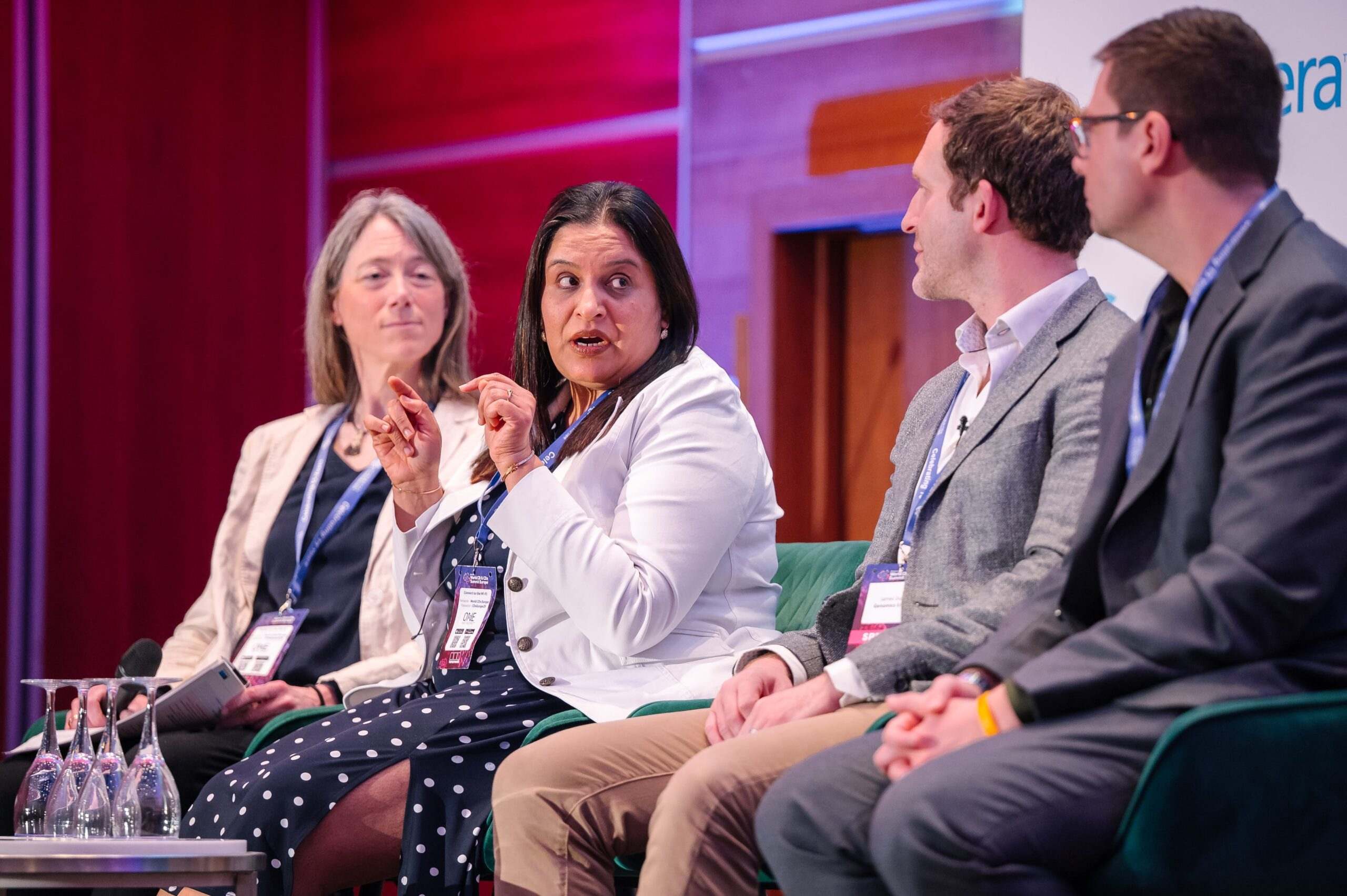
Explore the Agenda
Discover the latest clinical breakthroughs, translational advances, and commercialization strategies shaping autoimmune cell therapy.
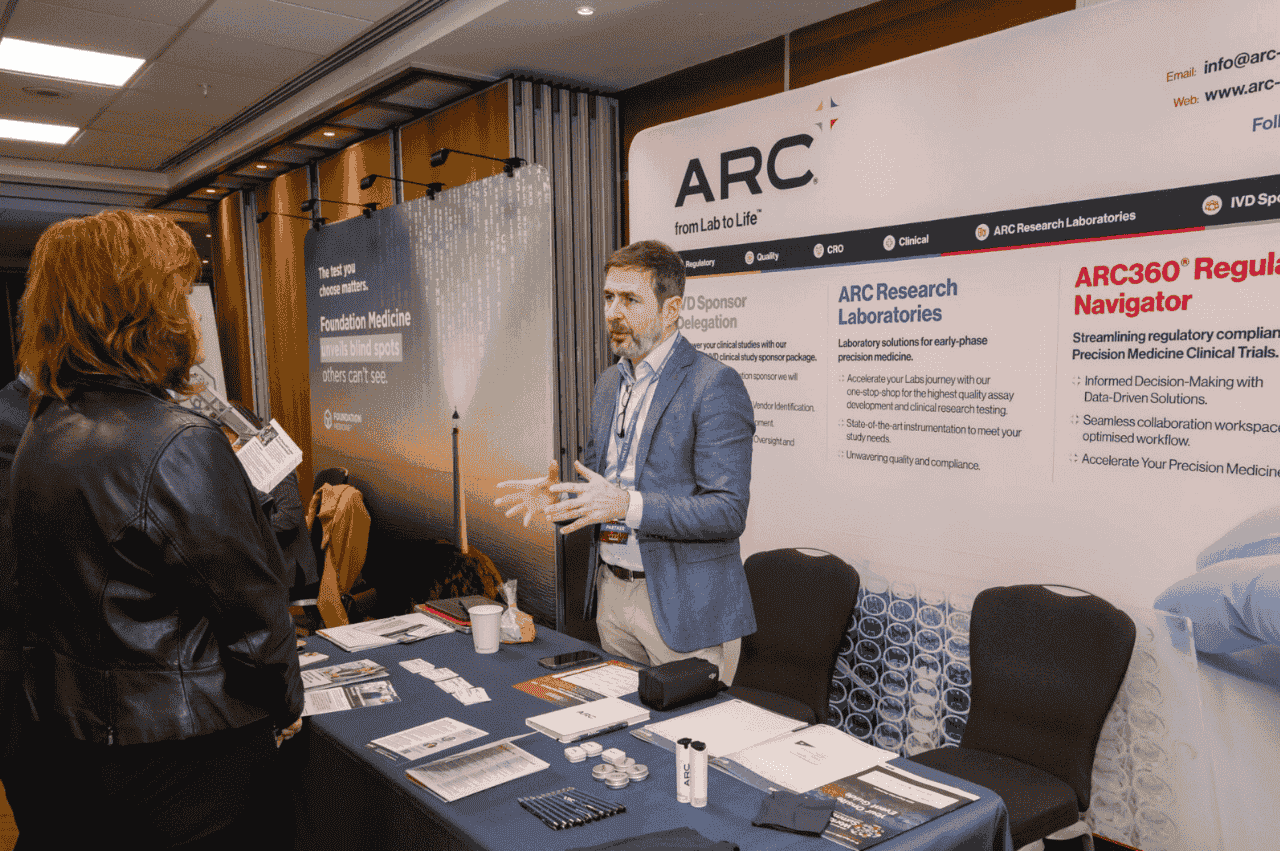
Partner With Us
Connect with the industry's leading autoimmune cell therapy developers as they navigate the next phase of clinical and commercial growth.

Join Cell Therapy Leaders
With major clinical milestones and growing pharma investment, attend a highly focused meeting designed specifically for autoimmune disease to connect with the leaders driving the next phase of progress.