
Explore why durability is becoming one of the most important measures of success in autoimmune cell therapy, from long-term remission and immune reconstitution to the future of immune reset.
One of the biggest shifts in autoimmune cell therapy over the past few years is the nature of the questions being asked. Early discussions focused on whether cell therapies could generate meaningful responses outside oncology. Today, with encouraging clinical data emerging across multiple autoimmune indications, attention is increasingly turning to durability.
For developers, durability has become one of the most important measures of success. Autoimmune diseases are chronic conditions that often require lifelong treatment, and many patients cycle through multiple therapies over the course of their disease. If cell therapies are to redefine treatment paradigms, they will need to demonstrate not only deep responses, but responses that persist long after treatment has been administered.
As a result, durability is becoming a critical consideration across clinical development, translational science, regulatory strategy, and commercialization planning.
Defining Durability in Autoimmune Disease
While durability may seem straightforward on the surface, measuring it is often more complex than simply tracking symptom improvement.
Autoimmune diseases vary significantly in their biology, progression, and treatment goals. A meaningful outcome in lupus may look very different from a meaningful outcome in myasthenia gravis, systemic sclerosis, or inflammatory myositis.
As a result, developers are evaluating durability across multiple dimensions:
- Duration of clinical remission
- Freedom from disease flares
- Reduction or elimination of background medications
- Changes in disease biomarkers
- Long-term immune reconstitution
- Quality-of-life improvements
Increasingly, the conversation is moving beyond whether a patient initially responds to treatment and toward whether the underlying immune dysfunction has been fundamentally altered.
Clinical Remission Versus Immunologic Remission
One of the most important themes emerging across the field is the distinction between clinical and immunologic remission. Clinical remission is generally defined by improvements in symptoms and disease activity. For patients, this is often the most meaningful outcome.
However, many researchers are also interested in understanding whether the immune system itself has been reset. A patient may appear clinically stable while underlying disease-driving immune activity persists. Conversely, biological signs of immune reprogramming may be observed before long-term clinical benefits become fully apparent.
This distinction explains why so many organizations are investing heavily in translational research. Understanding how the immune system rebuilds following treatment and identifying biological markers of sustained response could ultimately become as important as measuring clinical outcomes themselves.
Why Durability Matters More in Autoimmune Disease
The durability discussion takes on additional importance because autoimmune diseases differ from the oncology settings where many cell therapies were first developed.
Many autoimmune patients will live with their condition for decades and often have access to multiple standard-of-care options. As a result, physicians, patients, and healthcare systems may have different expectations regarding the benefits required to justify a complex cellular therapy. This is influencing how the industry thinks about treatment goals. Rather than focusing solely on short-term efficacy, developers are increasingly evaluating whether therapies can provide sustained disease control, meaningful reductions in treatment burden, and durable improvements in quality of life.
The bar for success may ultimately be determined not just by whether immune reset can be achieved, but by how long its benefits persist.
Measuring Immune Reconstitution
As follow-up periods increase, understanding immune reconstitution has become a major area of focus.
Many organizations are studying how immune systems recover following treatment and whether specific biological patterns correlate with durable remission. These efforts are helping researchers build a more complete picture of what successful immune reset actually looks like.
Areas attracting particular attention include:
- B-cell reconstitution dynamics
- Autoantibody levels over time
- Changes in immune-cell populations
- Biomarkers linked to relapse risk
- Longitudinal immune monitoring
The goal is not simply to understand who responds, but to understand why responses endure and why some patients may eventually relapse.
A Defining Question for the Next Phase of Development
As autoimmune cell therapy matures, durability is becoming one of the field's most important strategic questions. Developers are working to determine what level of long-term benefit is required to justify treatment complexity, support reimbursement, and drive broad adoption. At the same time, translational teams are searching for biomarkers that can help predict durable outcomes, while clinicians are gathering longer-term follow-up data across a growing range of indications. These efforts are shaping decisions around target selection, clinical trial design, patient selection, and platform development.
Why It Matters for the Future of Cell Therapy for Autoimmune Diseases
The autoimmune cell therapy field has progressed far beyond proving that immune reset is possible. The next challenge is understanding how durable that reset can be and how it should be measured.
As more data emerges across autologous, allogeneic, CAR-NK, Treg, and in vivo approaches, durability will continue to influence how therapies are evaluated by clinicians, regulators, investors, and healthcare systems.
Ultimately, the companies that succeed may be those that can demonstrate not only deep responses, but long-lasting disease control supported by a clear understanding of the biological mechanisms driving sustained remission.
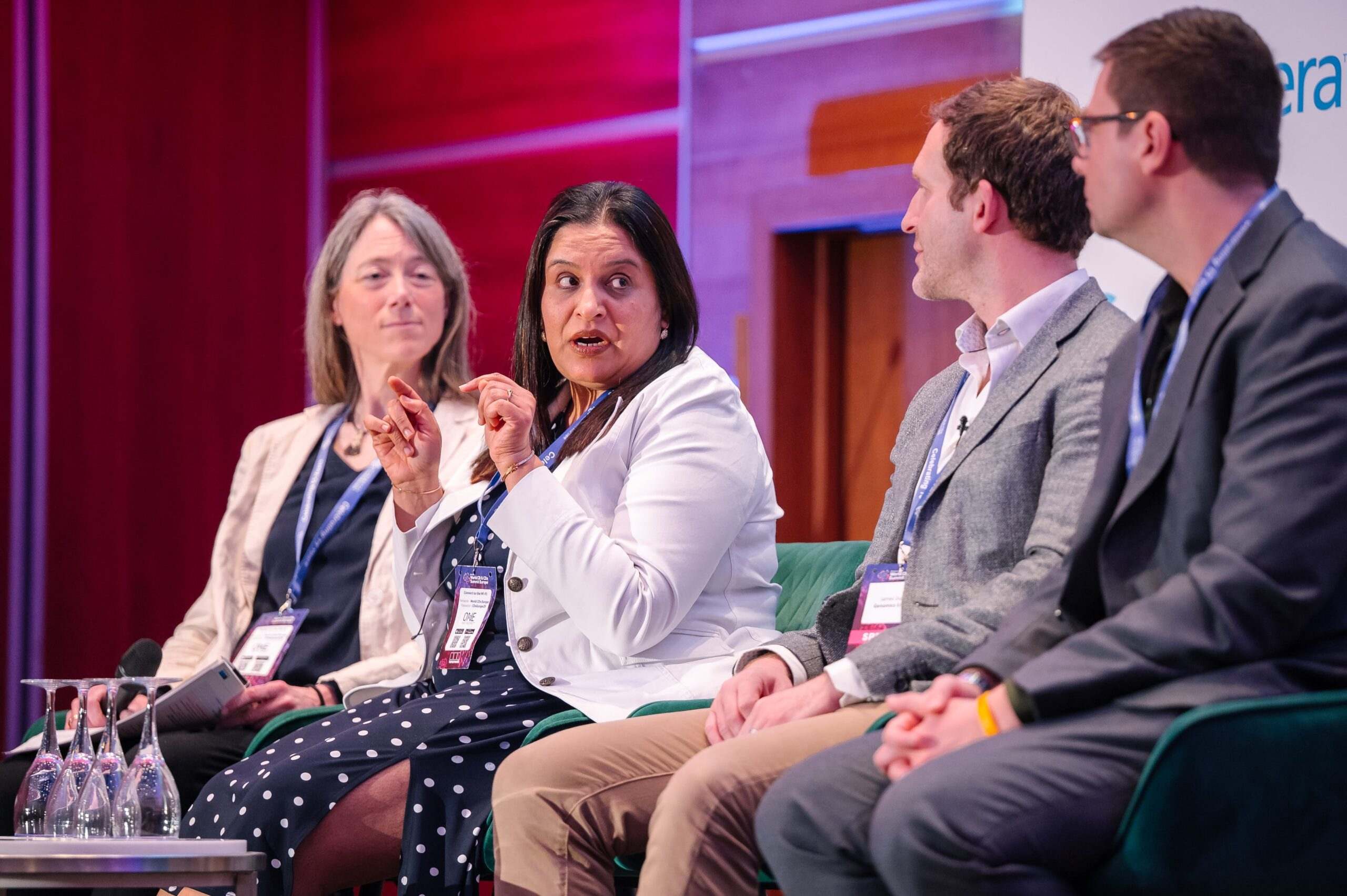
Explore the Agenda
Discover the latest clinical breakthroughs, translational advances, and commercialization strategies shaping autoimmune cell therapy.
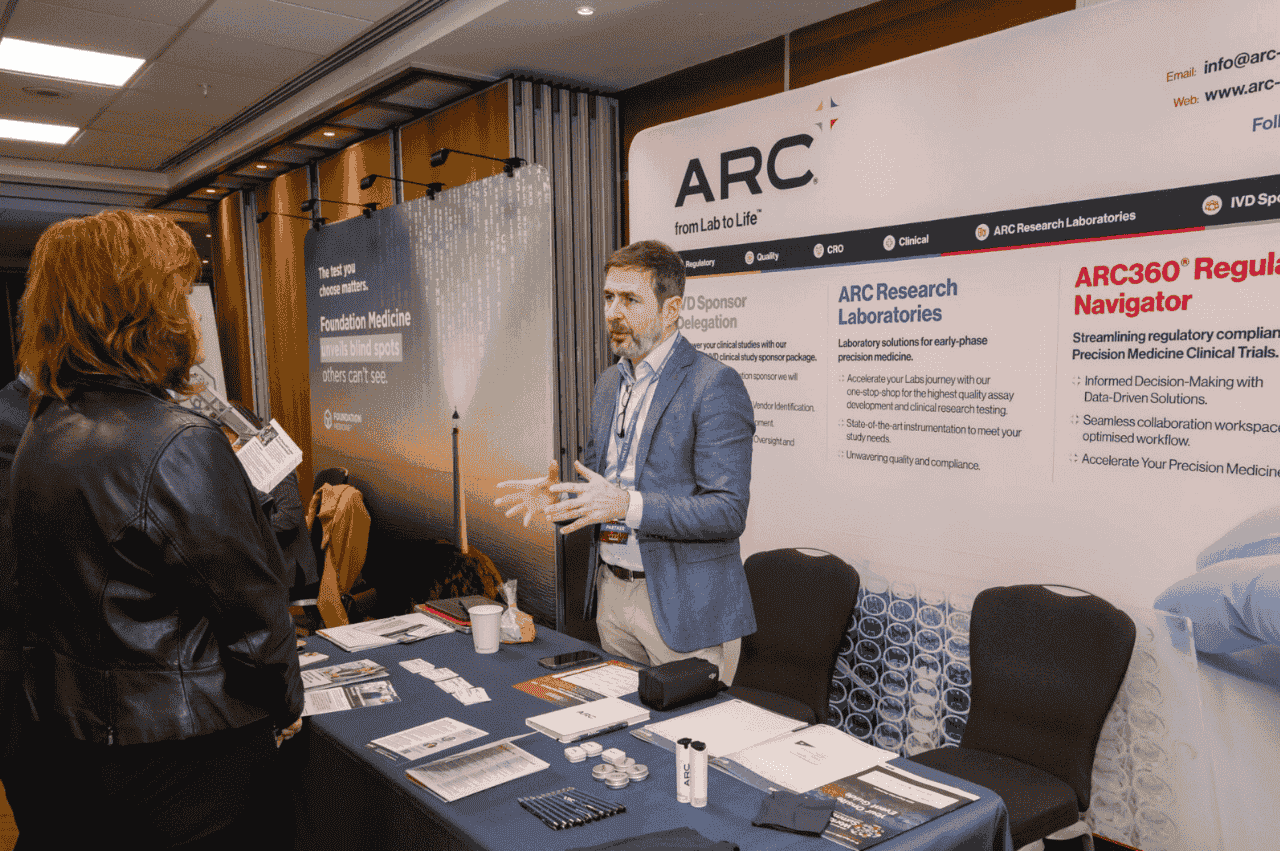
Partner With Us
Connect with the industry's leading autoimmune cell therapy developers as they navigate the next phase of clinical and commercial growth.

Join Cell Therapy Leaders
With major clinical milestones and growing pharma investment, attend a highly focused meeting designed specifically for autoimmune disease to connect with the leaders driving the next phase of progress.