
Cabaletta Advances Preconditioning-Free CAR-T Development
Cabaletta Bio presented new data supporting the potential use of CD19 CAR-T therapy without traditional lymphodepletion chemotherapy, raising the possibility of safer and more accessible treatment paradigms for autoimmune disease. The approach could significantly reduce treatment burden while maintaining the immune-reset benefits that have driven excitement around autoimmune CAR-T therapies.
Kyverna Moves Closer to First Autoimmune CAR-T Approval
Kyverna Therapeutics is advancing mivocabtagene autoleucel (miv-cel) toward regulatory review after positive registrational data in Stiff Person Syndrome. If approved, the therapy would become the first CAR-T treatment specifically approved for an autoimmune disease, representing a major milestone for the sector.
Autolus Reports Encouraging CAR-T Data in Severe Lupus
Results from the Phase I CARLYSLE trial showed Autolus' obe-cel delivering meaningful improvements in patients with treatment-resistant systemic lupus erythematosus. The study adds to growing evidence that CAR-T therapies may be capable of inducing deep remissions by resetting the immune system.
FDA Signals Support for Autoimmune CAR-T Development
The FDA has publicly highlighted the potential for CAR-T therapies to deliver durable, drug-free remission in severe autoimmune diseases, while emphasizing the need for long-term safety monitoring. The comments provide further confidence that regulators are actively preparing for the emergence of this new treatment class.
In Vivo CAR-T Shows Promise as Next-Generation Cell Therapy
Researchers recently reported early clinical data for JY231, an in vivo CAR-T approach that generates engineered CAR-T cells directly inside the patient's body through a single infusion. The technology could dramatically simplify manufacturing and improve access compared with conventional autologous CAR-T therapies.
CASTLE Trial Highlights Broad Potential Across Autoimmune Diseases
Results from the CASTLE basket trial demonstrated encouraging outcomes for CD19 CAR-T therapy across multiple treatment-refractory autoimmune diseases, including lupus, systemic sclerosis, and inflammatory myopathies. The data strengthen the case for B-cell depletion as a potentially disease-modifying approach across diverse autoimmune indications.
Novartis & Bristol Myers Squibb Pause Autoimmune CAR-T Trials Following Safety Reviews
Novartis and Bristol Myers Squibb have both paused aspects of their autoimmune CAR-T programs following inflammatory safety events observed in clinical trials. The announcements have placed renewed focus on patient monitoring, manufacturing strategies, and how developers can balance the transformative potential of immune-reset therapies with long-term safety as the field moves toward commercialization.
![CB-CDx-0690-min-scaled11[1]](https://cell-therapy-autoimmune-disease.com/wp-content/uploads/sites/286/2024/06/CB-CDx-0690-min-scaled111.jpg "CB-CDx-0690-min-scaled11[1]")
Explore the Agenda
Discover the latest clinical breakthroughs, translational advances, and commercialization strategies shaping autoimmune cell therapy.
Partner With Us
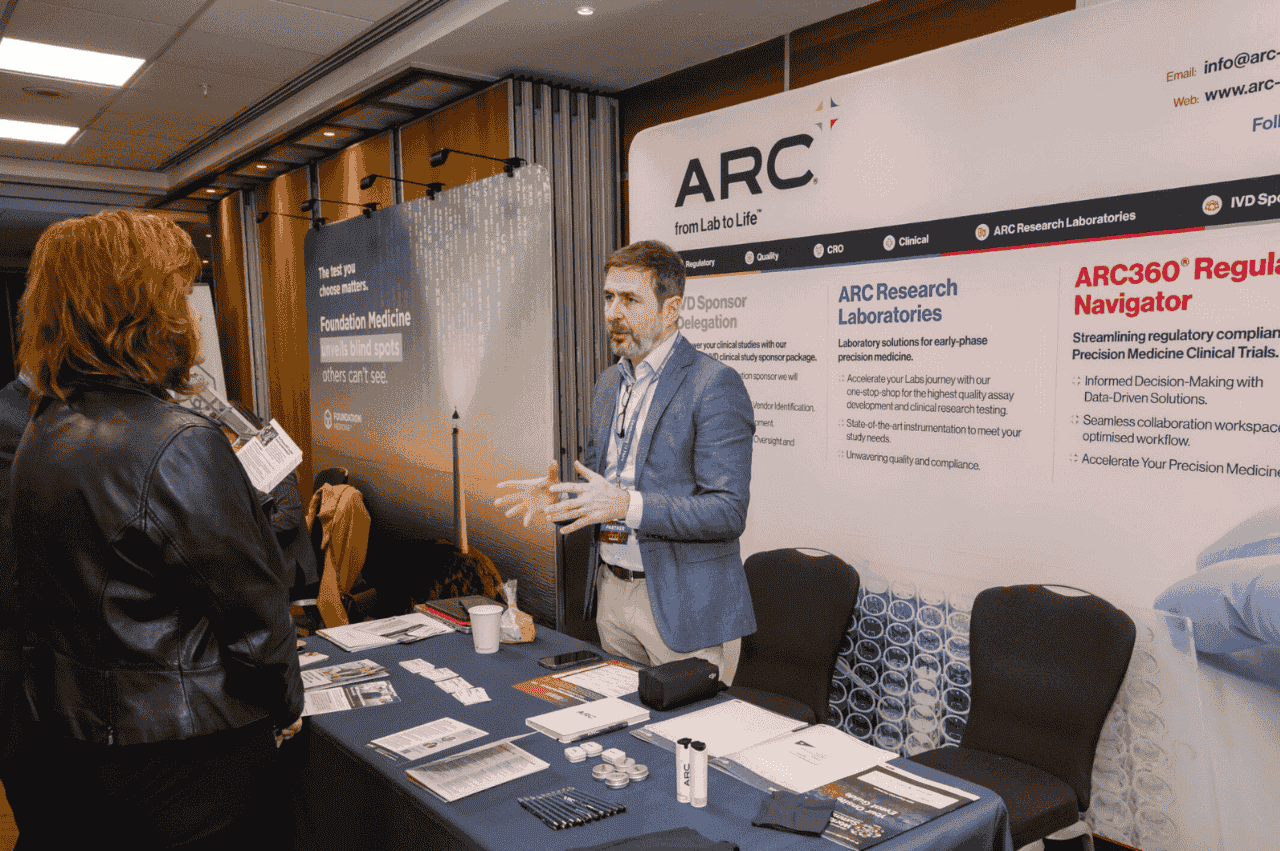
Connect with the industry's leading autoimmune cell therapy developers as they navigate the next phase of clinical and commercial growth.
Join Cell Therapy Leaders
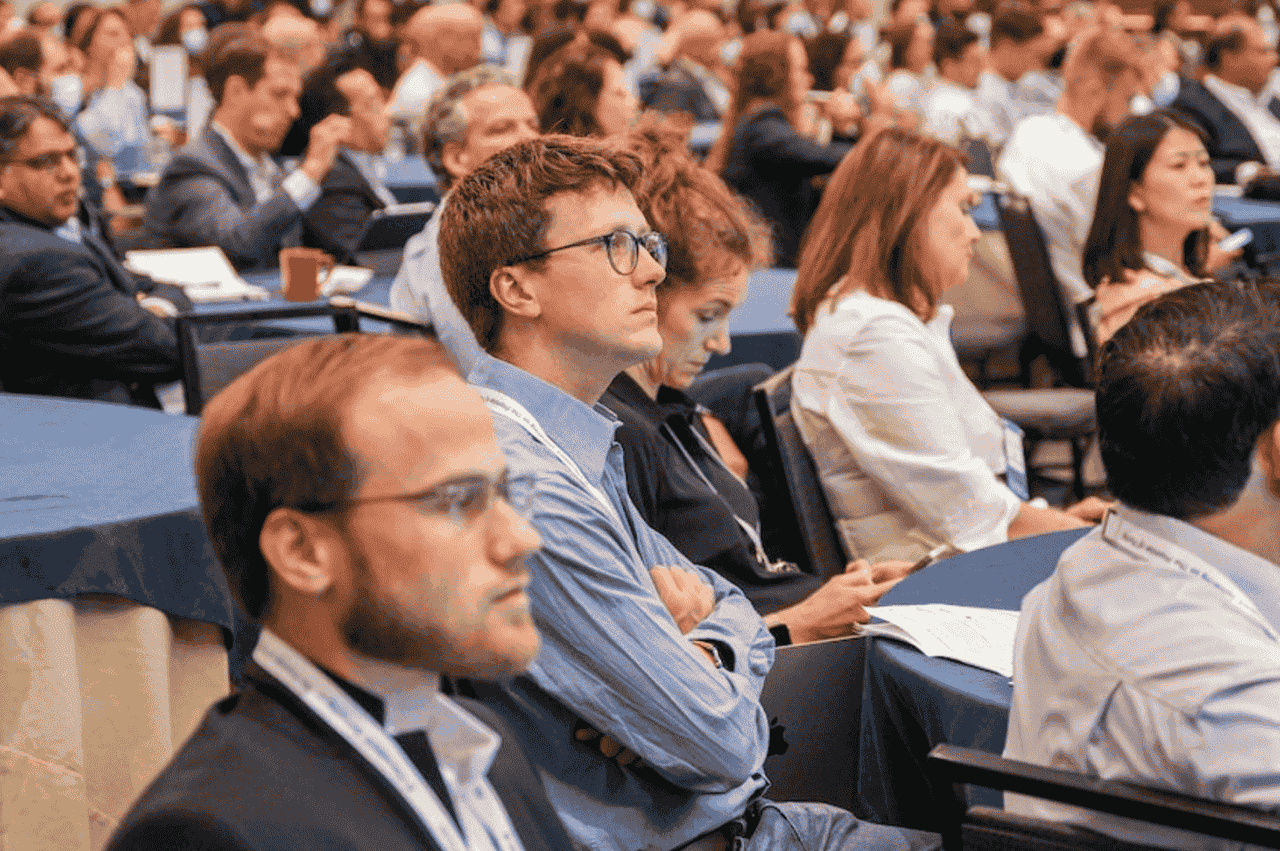
With major clinical milestones and growing pharma investment, attend a highly focused meeting designed specifically for autoimmune disease to connect with the leaders driving the next phase of progress.